

The Amazon trade-in program allows customers worldwide to exchange eligible electronics and other items for a rebate. The program promotes sustainability by refurbishing and reselling traded-in devices through the Renewed program, or recycling them responsibly.
Partnering closely with operations, vendor, and business stakeholders, I aligned design priorities to drive measurable impact on conversion and satisfaction. We increased trade-in values by refining how conditions were evaluated and reduced rejection rates by excluding conditions that represented only a small percentage of trade-ins.
I defined a design strategy for the customer’s product lifecycle journey, from discovery to post-purchase. This resulted in a streamlined service design with value-added calls to action that drove strong results across NA and EU5 marketplaces, significantly increasing trade-in–driven product sales.
Multiple trade-in options and limited payout choices created decision fatigue and impacted conversion. Customers want the competitive experience of easily being able to purchase a new phone at a lower price by trading-in. This required integrating it into the purchase process.
"How might we offer promotions to make a purchase using trade-in?"
The trade-in information provided to customers was confusing and did not align with operations’ ability to reject fewer trade-ins. Growth required consistent system-level thinking to provide clear instructions while avoiding fragmentation and duplicated effort.
"How might we make it as frictionless as possible for a customer to prepare their old phone for trade-in?"
Different experiences between trade-in programs and marketplaces created confusion and drop-off. Customers wanted to understand how trade-in worked and what value it offered, not which program managed it.
"How might we make it seamless to the customer, their trade-in being handled by more than one program within Amazon?"
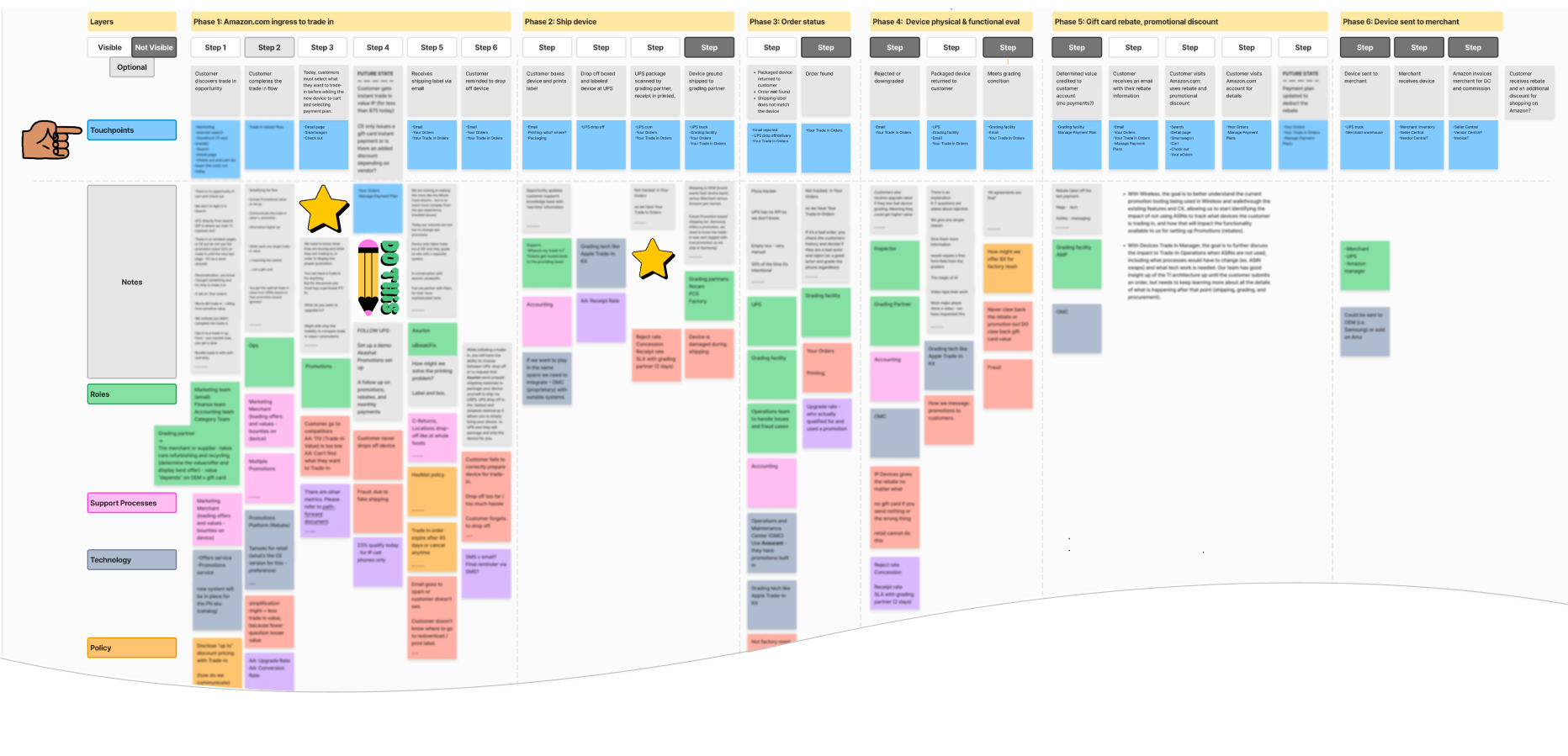
Service design workshop
Purchases that require cost consideration create anxiety around affordability, particularly when customers lack clear visibility of available cost-reducing options. By focusing on affordability, value-conscious customers focus increasingly on total savings, not just base or list price. We ran an unmoderated think-out-loud study (n=30) on trade-in integrated into the purchase process to gather feedback on the improved grading as they went through the experience.

Participants found the trade-in experience helpful in assessing the condition of their phones. Visual, interaction, and system-level patterns ensured flows were intuitive, scalable, and accessible across multiple platforms.
Around a quarter of participants were unfamiliar with security locks reducing value and why signing out of their accounts was necessary before completing a factory reset. Collaborating across product, engineering, and business teams, I created opportunities for understanding and worked through ambiguity to prioritize the customer experience.
Almost all participants were satisfied with the explanation of when and why a phone might be rejected. Alongside updated, more competitive operational rejection criteria, we ensured every decision was tied to customer needs and measurable business outcomes.
Offering the right call to action at the right time and in the right place improved the customer experience. Once customers received their purchase, they received reminders from a variety of channels and surfaces to properly prepare their trade-in and avoid rejection or value downgrades.
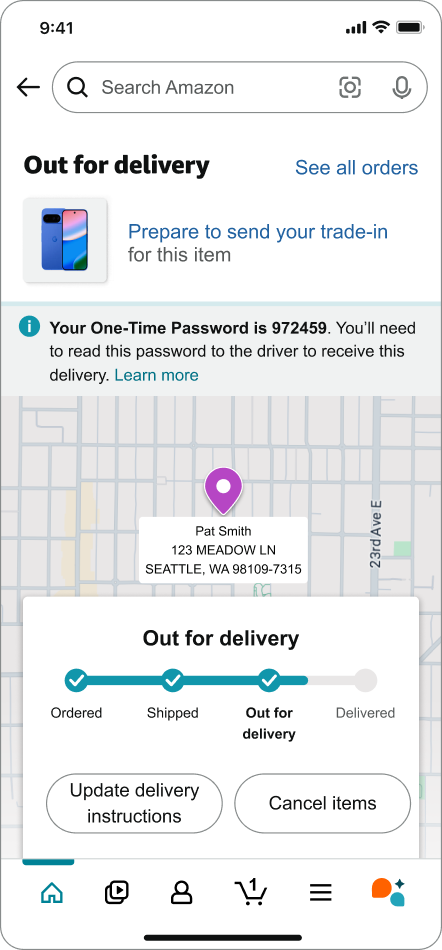
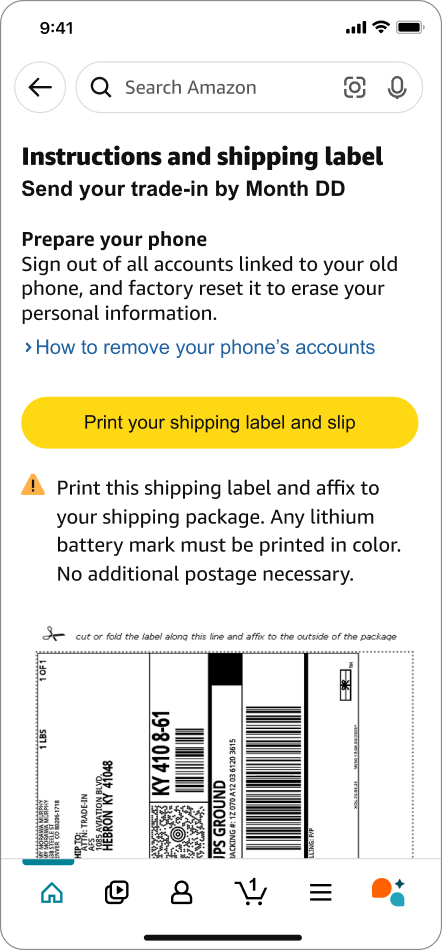
Collaborated with central teams and mentored designers to elevate the quality of the design and strategic impact through feedback, shared best practices, and scalable design patterns.
Improved trade-in value accuracy and customer preparation guidance, reducing operational rejections and value downgrades.
Improve trade-in value accuracy and customer preparation guidance to reduce operational rejections and value downgrades.
Clarify trade-in education and expectations to lower inbound support contacts related to trade-in preparation and eligibility.